
When it comes to painting, preparation is just as important as the paint itself. One step that many homeowners and DIY enthusiasts overlook is priming. At Smith & Company Painting, we’ve seen first-hand how skipping primer leads to peeling, uneven coverage, & costly touch-ups. This ultimate guide explains why priming matters, when to use it, & how it protects your investment.
Priming 101: Why Skipping Primer Costs You
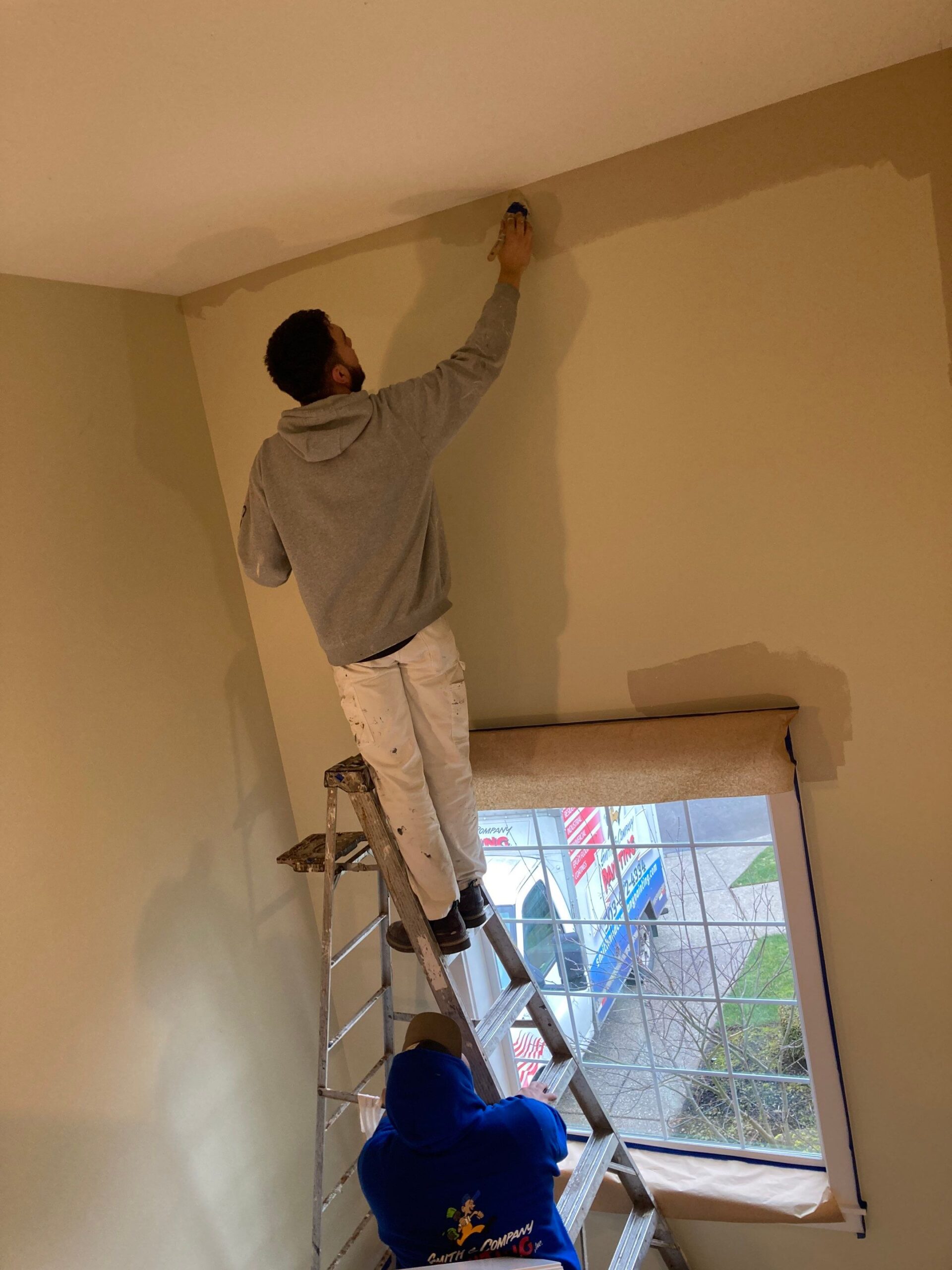
What is Primer and Why It Matters
Primer is a preparatory coating applied before painting. It seals surfaces, improves paint adhesion, and prevents stains from bleeding through. Think of it as the foundation of your paint — without it, even high-quality paint can fail prematurely.
Key Benefits of Primer:
- Improved Adhesion: Paint sticks evenly to all surfaces.
- Longer-Lasting Finish: Reduces peeling, cracking, and chipping.
- Uniform Color: Prevents blotchy or uneven coverage.
- Stain and Odor Blocking: Stops water marks, smoke, or wood tannins from showing through.
When to Use Primer: Painting Tips You Need to Know
Primer isn’t optional for every project. Use it in these situations:
- New Drywall: Bare drywall absorbs paint unevenly.
- Repairs or Patched Walls: Ensures patched areas blend smoothly.
- Stained Surfaces: Water, smoke, or wood tannins need sealing.
- Dramatic Color Changes: Dark to light (or light to dark) paint requires primer.
- Exterior Surfaces: Wood, metal, and siding benefit from primer to resist weathering.
Expert Painting Tips: Why Skipping Primer is a Mistake
Skipping primer may save time initially, but the long-term consequences include:
- Premature Peeling & Flaking: Paint fails in months instead of years.
- Uneven Coverage: More paint and labor costs to hide blotches.
- Stains & Discoloration: Water or smoke stains may bleed through.
- Reduced Property Value: Poor finishes can lower perceived value.
Investing in primer upfront is far cheaper than redoing a paint job later.
Tips from Smith & Company Painting Experts
- Clean Surfaces First: Dirt, grease, or mildew reduces adhesion.
- Choose the Right Primer: Oil-based for raw wood and metal; latex for drywall and interior surfaces.
- Apply Evenly: Allow proper drying time before painting.
- Hire Professionals: Our Northwest Oregon painting experts ensure a flawless primer and paint job every time.
Frequently Asked Questions (FAQ)
Q: Can I skip primer if I’m repainting the same color?
A: Only if the existing paint is in excellent condition and the surface is clean. Otherwise, primer is recommended to ensure adhesion and longevity.
Q: What’s the difference between primer and paint?
A: Primer prepares the surface, seals stains, and improves adhesion. Paint adds color and finish. Skipping primer can compromise both.
Q: How long should primer dry before painting?
A: Drying times vary by type, but generally 1–4 hours for latex primers and 24 hours for oil-based primers. Always follow the manufacturer’s instructions.
About Smith & Company Painting
Smith & Company Painting provides residential, commercial, and industrial painting throughout Northwest Oregon.
Visit us: 570 SE Davis St, McMinnville, OR 97128
Call us: 503-472-4334
Learn more: smithandcompanypainting.com
Smith & Company Social Media Pages
Facebook Instagram Tiktok YouTube LinkedIn X
